


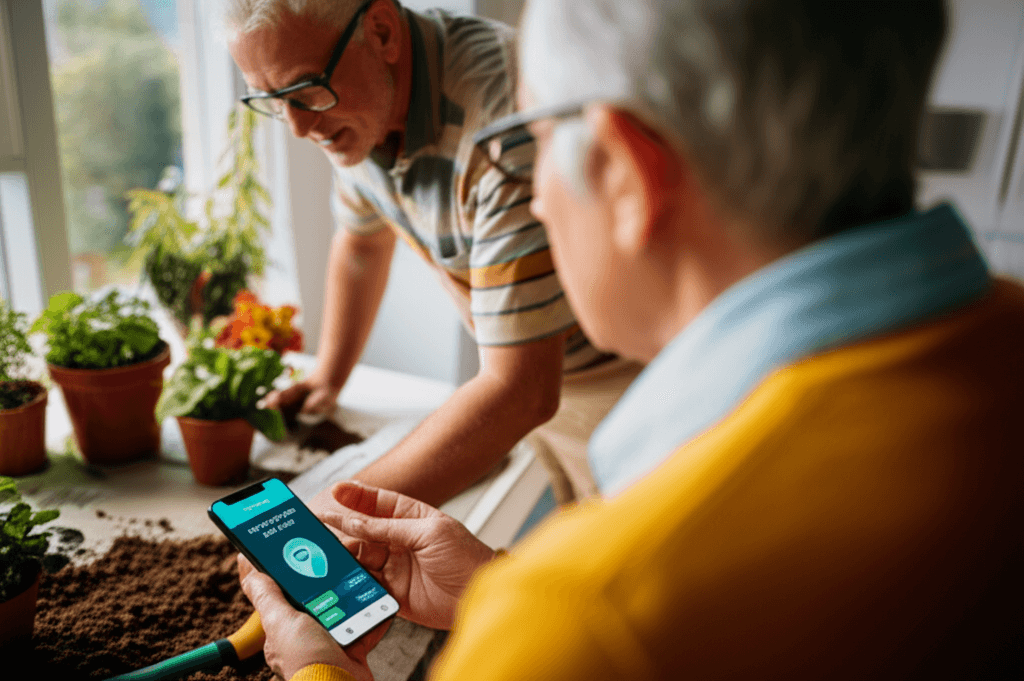
Staying connected with loved ones who live far away can be tough when seniors lead busy, active lives. Simple tricks keep conversations steady, safety obvious, and freedom respected. Gadgets, routines, and fun chat ideas fit perfectly for seniors who travel, chase hobbies, and enjoy a lively social world but sometimes need a bit of extra care. These approaches help families stay close without feeling overbearing, making everyone feel safe and valued. People managing active seniors from a distance will find clever tips here that truly change the game. Dive in to see how easy steps can turn tough problems into smooth wins.
Whether you are a family member, caregiver, or the senior themselves, the goal is clear. Keep contact reliable, create simple emergency plans, and pick technology that is comfortable to use. The tips that follow are based on real use cases and sensible trade offs between independence and oversight for active seniors.
Stay Close When You’re Far Away for Active Seniors What this approach means
The phrase Stay Close When You’re Far Away frames a practical plan. It is not about watching every minute. It is about setting up clear signals that something needs attention and making it easy to respond. For active seniors this means combining simple tech tools with scheduled human check ins and clear home adjustments.
A basic plan has three parts. First, regular, predictable communication so unusual silence stands out. Second, quick emergency response options that do not require complex setup. Third, low friction routines that encourage consistent use. Each part helps family members detect change early and stay involved without reducing independence.
Everyday routines that build reliable contact
Routines reduce stress because they lower the number of decisions required to maintain contact. For example, a short morning check in by text or phone call establishes a daily baseline. If that call does not happen, it becomes a trigger to reach out more urgently.
- Set a regular time for a brief call or message. Make it a habit the senior looks forward to.
- Use a shared calendar for travel or appointments. That way family members can anticipate gaps and plan follow up.
- Create a backup contact list that includes neighbors or building managers who can do a quick welfare check if a call is missed.
Choosing devices and services that match active lifestyles
Many products make it easier to stay responsive without being intrusive. When selecting devices, prioritize simple interfaces, reliable battery life, and a service plan that fits use patterns. Avoid systems that require frequent maintenance or complicated updates.
Wearable alert devices that people will use
Look for wearable options that are comfortable to wear during walks or hobbies. Buttons or pendants with a single large activation control tend to be the most reliable during stress. Evaluate detection features and the chain of response the service offers including which contacts are notified first.
Home devices for indirect monitoring
Motion sensors and door contact sensors can report activity patterns without cameras. A sudden change in patterns can trigger a family member to call. These devices are useful for seniors who stay active at home but may also spend days away visiting family or traveling.
Communication tips for maintaining trust and independence
How you introduce monitoring matters. Frame tools as ways to support continued activity rather than tools for restriction. Start with a shared conversation about goals like staying active, keeping social plans, and responding quickly when problems arise.
- Discuss preferences openly. Ask what level of contact feels respectful.
- Offer a trial period for any new device or routine. Adjust based on feedback.
- Share simple success stories. For example, tell how a missed call during a long walk led to a safe check in.
Privacy and consent considerations for seniors who travel
Privacy remains central. Use options that limit what is shared and with whom. Many systems allow location sharing only when an alert is triggered. Others send activity summaries instead of live feeds. Talk through scenarios and document agreements on what will be shared with family or service providers.
Record preferences for reporting and emergency response. These written notes help friends, family, and any hired support respond consistently when needed.
Integrating health needs with remote support
Active seniors often manage medication, appointments, and exercise routines. Adding low friction reminders and easy telehealth access helps keep those elements consistent. Choose tools that fit into existing daily habits so reminders do not become another source of frustration.
- Medication reminders can be set on simple devices or via phone apps with audible alerts.
- Telehealth appointments that connect through one tap reduce barriers to care when travel is not possible.
- Share key health information with a small circle so responders know allergies, conditions, and preferred clinics.
Cost and service considerations for long term use
Price matters, especially when systems require monthly fees. Compare what each plan includes such as monitoring, device replacement, and the response chain. Sometimes a lower monthly fee means a limited response model that relies on family members doing more. Make choices that match available local support.
Look for transparent billing and a trial period that lets you test how well the service fits real life. Ask about deactivation terms and any costs tied to upgrades or replacement devices.
How to pick a plan for families who live apart
Define roles clearly. Who will be the first contact if an alert occurs? Who has permission to arrange a local wellness check? Write these roles down and review them periodically. This reduces confusion and speeds response when something needs attention.
Also consider the local network. Identify neighbors, community groups, or building staff who can act as trusted points of contact. Their involvement lessens the burden on faraway relatives and often leads to faster, friendlier responses.
Resources and reading for deeper practical ideas
There are many articles and guides that discuss device options and real family scenarios. For a concise overview that connects technology options with daily living tips, check this article at ON Magazine which highlights approaches tailored to active seniors. Use these resources as conversation starters when evaluating tools and services.
Common pitfalls and how to avoid them
Several issues tend to reduce long term use. First, choosing devices that are too complex. Second, unclear roles for response. Third, failing to review and revise plans after a test period. Avoid these by selecting simple solutions, writing down response steps, and scheduling a monthly review to see what is working.
- Keep devices as intuitive as possible. Fewer steps equals better adoption.
- Make sure emergency contacts are local enough to respond quickly.
- Revisit the plan after a trip or health change to update preferences and contacts.
Examples help clarify choices. One family set a daily text check in at 9 a.m. and used a wrist worn alert for emergencies. After a tested week they found the wrist unit alerted the right person first and the text routine made missed activity obvious. Another household used door sensors and a neighbor contact; that model worked well for a senior who kept an active social calendar and traveled frequently.
To summarize, practical steps and thoughtful device selection let you stay close while preserving independence. Start with simple routines, choose technology that fits daily life, assign clear response roles, and revisit arrangements routinely. Small changes often prevent larger problems and keep active seniors living rich lives with family support just a call away.
Take action today by picking one small change. Schedule a weekly check in, trial a wearable for a month, or write a one page emergency plan with phone numbers and medical notes. These steps add resilience to long distance relationships and keep communication clear. If you want further reading or device comparisons, use the article linked above as a starting point and involve the senior in every decision. Keeping people connected requires planning and human attention. Begin with a short conversation, set one simple routine, and reassess in thirty days to see what needs adjustment.