


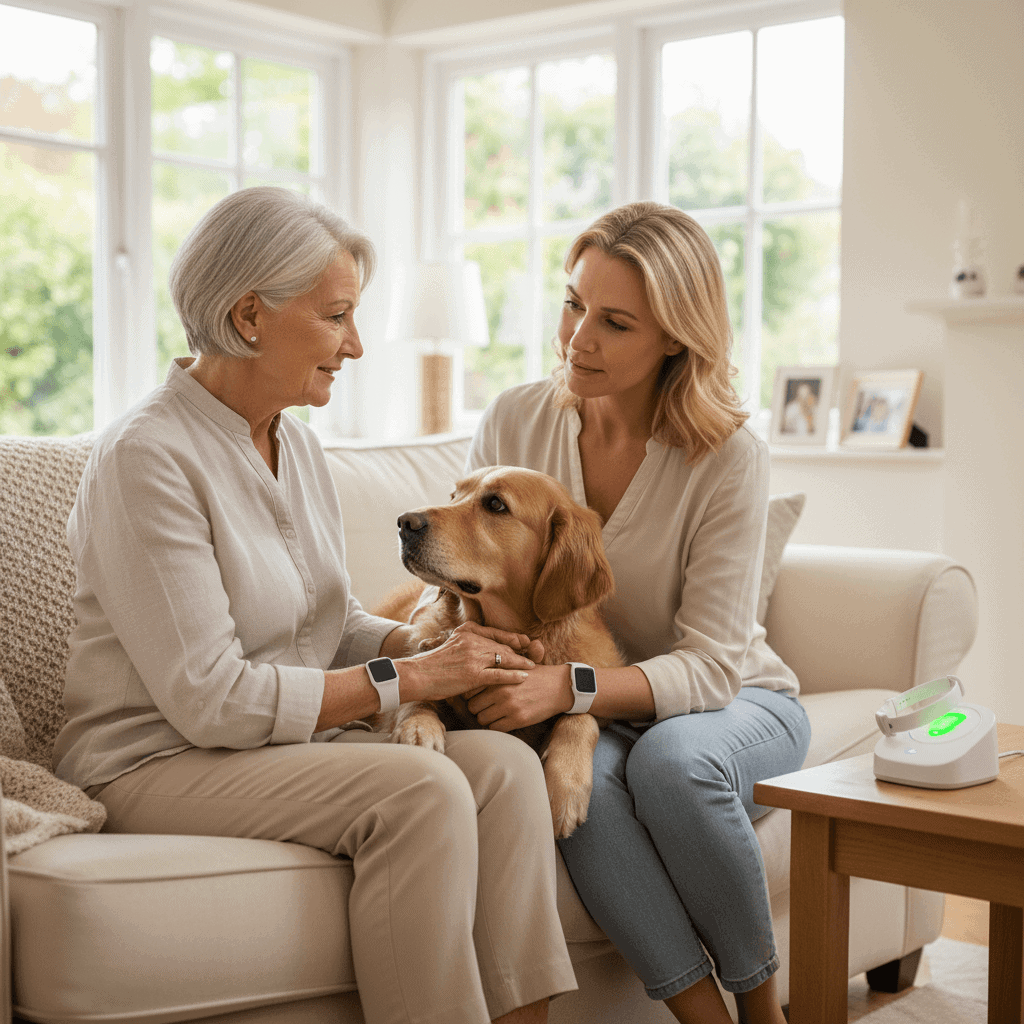
As individuals age, staying safe and independent at home becomes a top priority for them and their families. Life brings various changes, and sometimes those changes mean a higher risk for falls or unexpected health issues. I understand the worry that can come with wanting to ensure loved ones are protected even when I cannot be right by their side.
Modern technology offers many practical solutions for these concerns. One effective tool gaining popularity is medical alert bracelets. These devices provide a direct link to help, offering a layer of security that traditional methods cannot match. My goal is to shed light on how these bracelets can make a real difference in securing senior safety.
I believe that understanding the options available empowers families to make informed decisions for their senior members. This article explores the benefits and features of alert bracelets, explaining how they contribute to peace of mind for everyone involved.
The Growing Need for Secure Senior Safety
Seniors often value their independence above all else. They want to live in their own homes and maintain familiar routines. This desire is strong and important, but it comes with potential risks. Accidents can happen quickly and unexpectedly, so preparing for such events is crucial.
Falls are a leading cause of injury among older adults. Even a minor fall can lead to serious complications and reduce a senior’s ability to live independently. Beyond falls, sudden medical emergencies like heart attacks or strokes require immediate attention. When living alone, timely help is not always a given. These are real concerns for many families today.
The absence of immediate support can turn a small incident into a major crisis. This is where proactive safety measures, especially those involving technology, play a critical role. We see a clear need for systems that bridge the gap between independence and urgent care, ensuring help is always within reach.
Understanding Medical Alert Bracelets for Seniors
Medical alert bracelets are wearable devices designed to summon help during an emergency. They are usually worn on the wrist, like a watch, or around the neck as a pendant. These devices are simple to use, often featuring a single button that connects the wearer to a response center.
The concept is straightforward. When a senior experiences a fall, a sudden illness, or any other emergency, they press the button. This action sends an alert to a professional monitoring service. The service then assesses the situation and dispatches appropriate help, such as paramedics or a family member, depending on the need and pre-arranged protocols. This system ensures that someone is always there to respond, day or night.
Many systems operate 24 hours a day, 7 days a week, providing constant surveillance. The simplicity of these devices means seniors do not need to navigate complex technology during a stressful event. They just press one button and help is on the way. This reliable connection offers significant reassurance.
How Alert Systems Provide Immediate Help
When a senior activates their medical alert device, it initiates a rapid chain of events designed for efficiency. The signal travels wirelessly to a central monitoring station manned by trained professionals. These operators are ready to respond at any time, understanding that every second can count in an emergency.
Upon receiving the alert, the operator attempts to establish two-way communication through the device itself or an associated base unit. They speak directly to the senior, asking about the nature of the emergency and offering calm instructions. If the senior cannot respond, or if the situation seems urgent, the operator immediately dispatches emergency services like an ambulance or local police.
At the same time, the monitoring service also notifies pre-selected contacts on the senior’s call list. This includes family members, neighbors, or caregivers who can provide additional support or information. This multi-pronged approach ensures that help arrives swiftly and that all necessary parties are kept in the loop. It is a comprehensive safety net for unexpected situations.
Key Features of Modern Alert Bracelets
The technology behind medical alert bracelets has evolved significantly. Early models offered basic button-push alerts, but today’s devices come packed with features designed to enhance security and ease of use. These advancements make them even more valuable for securing senior safety with alert bracelets.
One of the most important innovations is fall detection. Many modern alert bracelets have sensors that automatically detect a fall without requiring the wearer to press a button. This is especially vital for seniors who might be unconscious or disoriented after a fall, because it ensures help is still summoned automatically. These systems use advanced algorithms to distinguish between a real fall and everyday movements.
GPS tracking is another powerful feature. Devices with GPS capabilities can pinpoint a senior’s location, whether they are at home or out in the community. This is incredibly helpful in situations where a senior might wander or become disoriented away from home. Emergency responders can quickly locate them, reducing response times and increasing safety. Family members can also often use an app to check on their loved one’s location.
Many bracelets now offer two-way communication directly through the device itself. This means the senior can speak with the monitoring center operator through the bracelet, without needing to be near a base unit or phone. This hands-free communication is critical when a senior might be injured or unable to move, because it allows them to explain their situation clearly. These features work together to create a robust and responsive safety system.
Choosing the Right Alert Bracelet for Your Loved One
Selecting the best medical alert bracelet involves considering several factors specific to the senior’s lifestyle and needs. There is no one-size-fits-all solution, so a careful evaluation helps ensure the device is effective and comfortable.
First, consider the senior’s activity level and mobility. For someone who spends most of their time at home, a basic in-home system with a limited range might be sufficient. This typically includes a base unit and a wearable pendant or bracelet. For active seniors who frequently leave the house, a mobile system with GPS tracking is much better. This allows them to call for help from anywhere, even at the grocery store or during a walk.
Water resistance is also a critical feature. Many falls happen in bathrooms, so choosing a device that is waterproof or water-resistant is essential. This ensures the device works even if it gets wet in the shower or during other daily activities. A senior should feel confident wearing their device at all times.
Battery life and charging ease are practical considerations. Some devices require daily charging, while others can last for several days. Assess how comfortable your loved one is with technology and charging routines. Simple charging cradles or long-lasting batteries often increase consistent use. It is important that the device does not become a burden.
Finally, look into the monitoring service itself. Research their response times, customer reviews, and what kind of support they offer. Ensure they have clear protocols for emergency dispatch and communication with family contacts. A reliable service is just as important as the device hardware.
Integrating Alert Bracelets with Daily Life
Introducing a new device to a senior can sometimes meet with resistance. They might feel it signals a loss of independence or that they are being “monitored.” Framing the alert bracelet as a tool for continued independence and safety is key to successful adoption. I always emphasize how it helps them keep living the life they love.
Start with an open and honest conversation. Explain that the device is not about surveillance, but about providing a safety net and peace of mind for everyone. Share real-life examples where such devices have saved lives or prevented serious injury. Focus on the freedom and security it offers. For valuable tips on choosing the best protective items, you can get the insights that show how these products truly function.
Make the device part of their daily routine without making a big deal out of it. Encourage them to wear it consistently, even during mundane activities like showering. Help them practice pressing the button and speaking to the monitoring center so they feel comfortable with the process. Small, consistent actions build confidence over time.
Consider customising the settings if the system allows. This might mean adjusting who is called first or setting activity alerts that align with their typical schedule. Personalisation helps the senior feel more ownership and control over their safety solution. It makes it feel like their own tool for well-being.
The Peace of Mind Alert Bracelets Offer
Beyond the practical benefits, medical alert bracelets provide an invaluable sense of security for both seniors and their families. This emotional advantage is often the most significant factor for adoption and consistent use. Knowing that help is always just a button-press away reduces anxiety and fear of the unknown.
For seniors, this means they can confidently pursue their daily activities, whether it is gardening, taking a walk, or simply navigating their home. They know that if they fall or experience an emergency, they will not be left alone and help will arrive quickly. This sense of security empowers them to maintain their independence for longer, enhancing their quality of life.
Families also benefit immensely. The constant worry about a loved one living alone can be consuming. An alert bracelet acts as a bridge, keeping them connected and informed. It provides reassurance that if something goes wrong, they will be notified promptly and their loved one will receive assistance. This allows family members to live their own lives with less stress and more peace of mind.
I have seen firsthand how these devices transform situations. They turn potential emergencies into manageable incidents, and they replace fear with a tangible sense of safety. This peace of mind is truly priceless.
Conclusion: Prioritizing Senior Well-being with Alert Bracelets
Securing senior safety with alert bracelets is more than just a purchase; it is an investment in independence, well-being, and peace of mind for older adults and their families. We have explored the pressing need for safety solutions, the core functions of these devices, and the advanced features that make them so effective. Understanding what to look for and how to integrate these bracelets into daily life ensures they are used consistently and effectively. From automatic fall detection to GPS tracking and two-way communication, modern alert systems offer comprehensive protection that was once unimaginable.
I strongly encourage every family with aging loved ones to explore medical alert bracelets as a vital part of their safety plan. Do your research, consider your loved one’s specific needs and lifestyle, and choose a device and service that provides the highest level of security and comfort. Take action today to empower your senior family members with the confidence to live fully and independently, knowing that help is always within reach. This simple step can make an enormous difference in their lives and yours.


